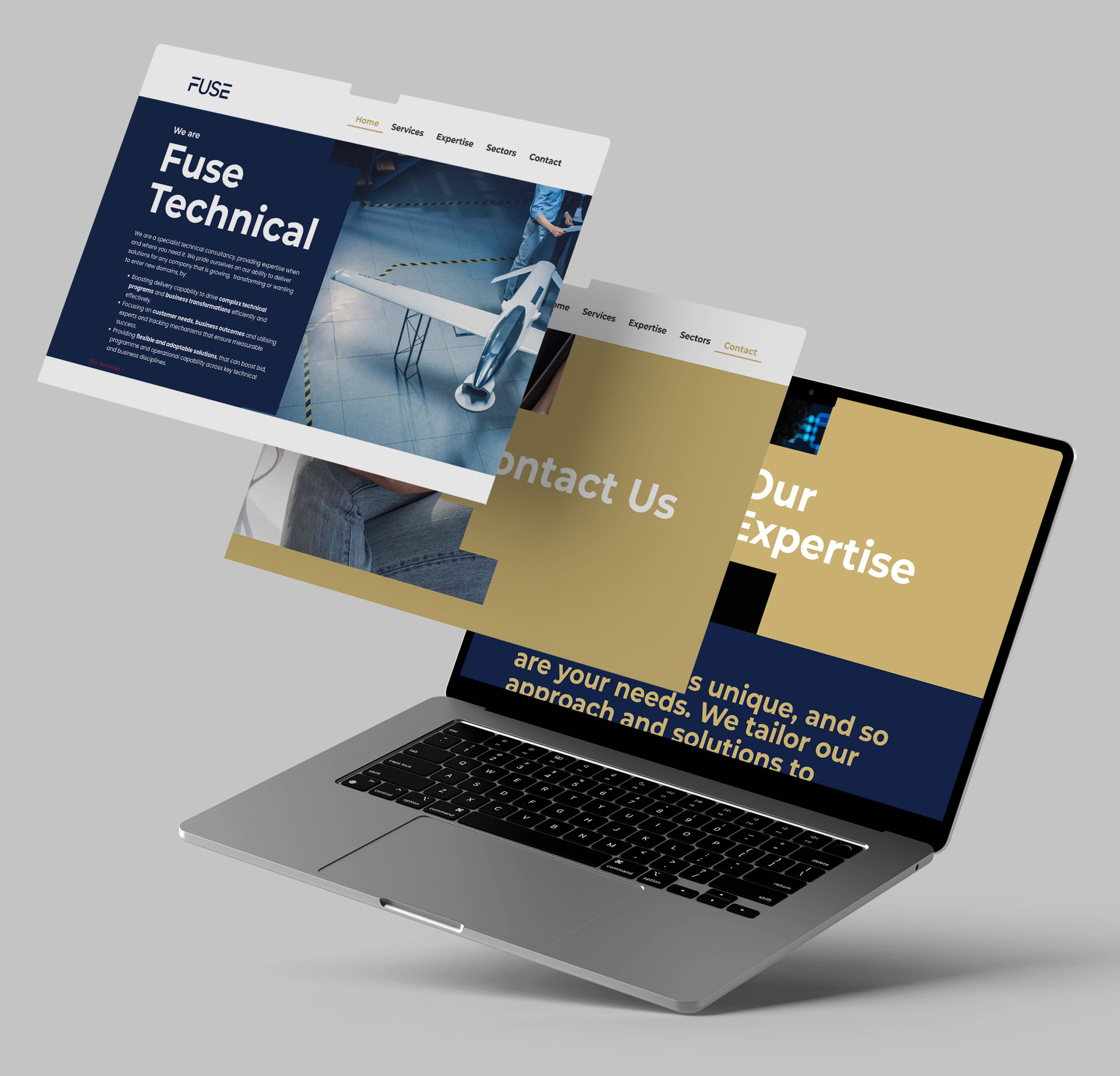

Your website is often the first place potential customers learn about your business. Whether you’re a small business in Fareham, an established company in Southampton or a growing organisation in Portsmouth, having a professional website can make a significant difference to how customers perceive your business.
But effective web design involves much more than creating an attractive website. A successful business website should be easy to navigate, work properly on mobile devices, appear in relevant search results and encourage visitors to get in touch.
At Digi Toolbox, we help businesses across Hampshire create professional websites that combine design, functionality and search engine optimisation (SEO).
In this guide, we’ll explain what makes an effective business website, what to consider when choosing a web design agency in Hampshire and how the right approach can support your business growth.
Why Good Web Design Matters for Hampshire Businesses
A well-designed website is an important part of your business’s online presence. It gives customers somewhere to learn about your services, understand what makes you different and decide whether to contact you.
For businesses operating in competitive Hampshire markets, your website also needs to communicate why customers should choose you rather than another local provider.
Good website design can help your business by:
Creating a professional first impression: A modern, well-organised website helps establish credibility and gives visitors confidence in your business.
Improving the customer experience: Clear menus, accessible content and straightforward navigation make it easier for visitors to find what they need.
Supporting search engine visibility: A properly structured website provides a stronger foundation for SEO and helps search engines understand your content.
Generating more enquiries: Prominent contact details, well-positioned calls to action and simple forms make it easier for potential customers to get in touch.
Supporting business growth: A flexible website can evolve as your services, products and requirements change.
The most effective websites combine these elements rather than concentrating on appearance alone.
Key Elements of Effective Website Design
When planning a new website or reviewing an existing one, several factors can influence how well it performs for visitors and search engines.
1. Responsive and Mobile-Friendly Design
Your website needs to provide a consistent experience across smartphones, tablets, laptops and desktop computers.
A responsive website automatically adjusts its layout to suit different screen sizes, making text easier to read, navigation easier to use and buttons easier to select.
For example, someone searching for a local service while using their mobile phone should be able to find your contact details and make an enquiry without having to zoom in or navigate complicated menus.
Mobile usability should be considered throughout the design process, rather than added as an afterthought.
2. Search Engine Optimisation (SEO)
An attractive website has limited value if potential customers cannot find it.
SEO helps search engines discover, understand and display relevant website content in search results.
Important SEO considerations include:
Clear page titles and descriptive headings.
Useful content that answers customers’ questions.
Dedicated pages for important services.
Logical navigation and internal linking.
Relevant local information where appropriate.
Fast, accessible and mobile-friendly pages.
Correct indexing and technical configuration.
For businesses targeting customers in Hampshire, it’s also important to explain the geographical areas you serve naturally within relevant pages.
However, simply repeating phrases such as “web design Hampshire” throughout a page will not make it more useful or guarantee better rankings.
Effective SEO starts with understanding what potential customers are searching for and providing content that meets their needs.
3. Clear Navigation and Website Structure
Visitors should be able to understand what your business offers and find important information without unnecessary effort.
A good website structure normally includes clear navigation to your main services, information about your business and straightforward contact options.
For businesses offering several services, creating dedicated service pages can help visitors find more detailed information.
For example, a company offering landscaping, garden maintenance and driveway installations may benefit from separate pages explaining each service rather than placing everything on one page.
This approach also makes it easier to provide relevant content for different customer searches.
4. Professional Branding and Visual Design
Your website should reflect your business’s identity and create a consistent impression across every page.
Important considerations include:
Consistent use of your company logo and brand colours.
Clear, readable typography.
High-quality photography and imagery.
Well-organised layouts with appropriate spacing.
Consistent styles for buttons, headings and forms.
Where possible, using genuine photographs of your team, premises, products or completed projects can help demonstrate that you’re an established business.
Stock photography may be appropriate in some circumstances, but original images often provide stronger evidence of the people and work behind your company.
5. Website Speed and Performance
Slow-loading pages can frustrate visitors and make it harder for them to access important information.
Website performance should be considered from the beginning of a project.
Common areas to review include image sizes, unnecessary scripts, hosting performance, page caching and the amount of third-party functionality being loaded.
Google’s Core Web Vitals also provide useful measurements of loading performance, visual stability and responsiveness to user interactions.
A faster website does not automatically guarantee higher rankings or more enquiries, but improving performance can contribute to a better overall user experience.
6. Clear Calls to Action
Every important page should give visitors a sensible next step.
Depending on your business, this could involve:
Requesting a quotation.
Booking a consultation.
Calling your office.
Completing an enquiry form.
Viewing your services or recent projects.
Purchasing a product.
For example, a website design company’s service page might feature a prominent “Discuss Your Website Project” button, while a tradesperson’s website might encourage visitors to request a free quotation.
Calls to action should be clear and relevant to the information on the page, rather than interrupting visitors with unnecessary pop-ups.
7. Useful and Relevant Content
A professional website should answer the questions customers are likely to ask before making an enquiry.
Depending on your services, useful information could include:
What your business offers.
Who your services are suitable for.
How your process works.
Which locations you cover.
Examples of previous projects.
Frequently asked questions.
What happens after someone contacts you.
For example, a business looking for a new website may want to know whether it can update its own content, whether SEO is considered during development and what support is available after launch.
Providing clear answers helps potential customers understand your offering and decide whether it’s suitable for them.
8. Website Security and Ongoing Maintenance
Website design is not just about launching a website. It also involves keeping it secure, functional and up to date.
For WordPress websites, ongoing maintenance may include updating WordPress, plugins and themes, maintaining backups, monitoring security and checking that important website functions continue working correctly.
Businesses should also consider website accessibility, privacy requirements and the handling of personal information submitted through contact forms.
Choosing a web design provider that offers ongoing support can help reduce the risk of avoidable technical problems after launch.
How to Choose a Web Design Agency in Hampshire
Choosing the right agency is an important decision, particularly if your website will play a significant role in generating enquiries or supporting sales.
Before appointing a web design company, consider the following questions.
Can They Show Examples of Previous Work?
Review the agency’s portfolio and look at websites they have completed for other businesses.
Consider whether those websites are easy to navigate, work properly on mobile devices and communicate their services clearly.
It’s worth asking how the agency approached the customer’s requirements, rather than judging the project purely on appearance.
Do They Understand Your Business Objectives?
A good web design agency should ask about your business, customers, services and what you want the website to achieve.
For example, a website designed primarily to generate service enquiries may require a different structure from an online shop or a website focused on bookings.
Understanding these requirements helps ensure the finished website supports your business objectives.
Is SEO Considered During Development?
SEO should be considered during website planning and development.
Ask whether the agency will review page structure, mobile usability, technical configuration and the content needed for your key services.
Building these considerations into the project from the start can be more efficient than addressing avoidable issues after launch.
What Happens After the Website Goes Live?
Ask who will handle updates, technical problems and future changes.
You should understand what support is included, what happens when that initial support period ends and whether you can make routine content changes yourself.
A website should be something your business can continue to use and develop, not a project that becomes difficult to manage after launch.
Do They Offer Clear Communication?
Website projects often require input from both the agency and the customer.
Clear communication, agreed responsibilities and a structured process can help keep the project organised and avoid misunderstandings.
Working with a Hampshire-based agency may also make face-to-face meetings easier where they are useful, although remote meetings and project management can work equally well.
Why Choose Digi Toolbox for Website Design in Hampshire?
At Digi Toolbox, we’ve been helping businesses build and improve their online presence for over 17 years. Based in Fareham, Hampshire, our team works with businesses across Southampton, Portsmouth and the surrounding areas to create professional, user-friendly websites.
Our approach combines website design, WordPress development, search engine optimisation and ongoing support. We focus on creating websites that are easy to navigate, work effectively on mobile devices and help businesses attract enquiries.
We also understand that different businesses need different solutions. A smaller company may need a straightforward, professional website to showcase its services, while an established organisation may require a more detailed website with additional functionality.
Our aim is to understand what each customer needs and develop a website that supports those objectives.
Explore our professional website design services in Hampshire to learn more about our process, view recent website projects and discuss your requirements with our team.
Frequently Asked Questions About Web Design in Hampshire
How much does professional website design cost?
Website design costs depend on the size, functionality and requirements of the project. A straightforward business website will generally involve different work from a large e-commerce website or a website requiring custom functionality.
It’s important to request a quotation based on your specific requirements rather than comparing prices without understanding what is included.
How long does it take to build a business website?
Timescales vary depending on the complexity of the website, the availability of content, the number of pages and any specialist functionality required.
A web design agency should explain the expected project stages and identify what information it needs from you before development begins.
Will my new website work on mobile phones?
A professionally developed website should be designed and tested for different screen sizes, including mobile phones and tablets.
Responsive design is an essential consideration for modern business websites.
Will a new website improve my Google rankings?
A new website can provide opportunities to improve technical SEO, content organisation, navigation and user experience.
However, launching a redesigned website does not automatically improve rankings. Existing URLs, redirects, important content and technical SEO settings need to be handled carefully to avoid losing established search visibility.
Can I update my website myself?
Many WordPress websites allow business owners to update text, images and other content through the website’s management system.
The level of control depends on how the website has been developed and which features are used.
Do I need ongoing website maintenance?
Regular maintenance is recommended to help keep your website secure, compatible and functioning properly.
This may include software updates, backups, security checks and resolving technical issues as they arise.
Looking for Professional Web Design in Hampshire?
A successful website should make it easier for customers to understand your business, explore your services and take the next step.
By combining responsive design, useful content, good navigation, SEO and ongoing maintenance, you can create a website that supports your business rather than simply providing an online presence.
If you’re considering a new website or looking to improve an existing one, Digi Toolbox can help you explore the available options.
Find out more about our website design services or contact our Fareham-based team to discuss your project.